
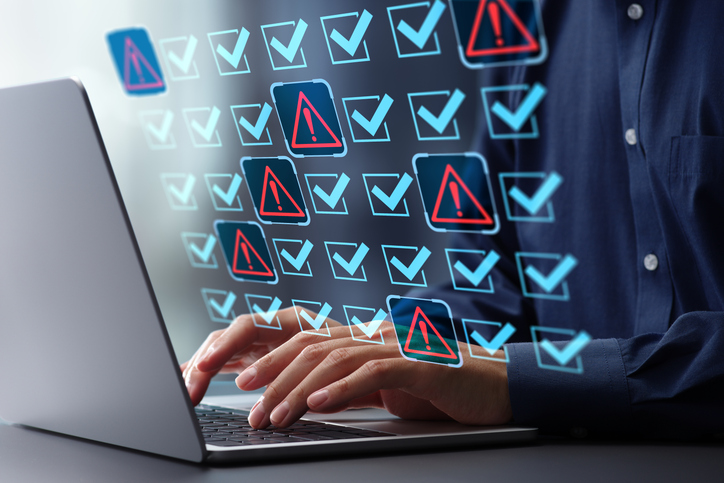
Albany businesses face critical website security threats including malware, ransomware, phishing, brute-force attacks, outdated plugins, and unsecured hosting. Protecting your company requires proactive measures like website firewall services, automated monitoring, and managed hosting to detect vulnerabilities before cybercriminals exploit them.
Cybercriminals frequently target local companies, assuming they lack the resources of multinational corporations. A single breach can lead to severe financial losses, compromised customer data, and a damaged reputation that takes years to rebuild.
Local companies need reliable website security Albany NY to safeguard their digital storefronts. As threat actors deploy increasingly sophisticated methods to breach systems, basic password protection is no longer sufficient.
This guide outlines ten critical website security threats facing your business today. By understanding these vulnerabilities, you can implement robust defenses and keep your digital assets safe from malicious actors.
What are the most common website security threats for Albany businesses?
1. How does malware infect business websites?
Malware refers to malicious software designed to disrupt operations or gain unauthorized access to a system. Hackers often inject malware into websites through vulnerable code or compromised third-party integrations. For companies using popular content management systems, robust WordPress malware protection is essential to scan files regularly and remove malicious scripts before they spread to visitors.
2. Why is ransomware devastating for local companies?
Ransomware encrypts your website files and databases, rendering them inaccessible until you pay a financial ransom to the attacker. Small businesses are frequent targets because they often lack comprehensive backup strategies. If a ransomware attack strikes an unprepared business, the resulting downtime can cause catastrophic revenue loss.
3. How do phishing scams target employees and customers?
Phishing attacks trick individuals into revealing sensitive information like login credentials or credit card numbers. Attackers might clone your company’s login page or send fraudulent emails pretending to be a trusted administrator. Educating your team is a fundamental part of cybersecurity for small businesses, ensuring employees can recognize deceptive communications.
4. What makes brute-force attacks successful?
During a brute-force attack, automated bots systematically guess thousands of username and password combinations until they breach your administrative panel. Businesses that allow weak passwords or fail to limit login attempts are highly susceptible. Implementing two-factor authentication and limiting failed login attempts can drastically reduce the success rate of these attacks.
5. Why are outdated plugins a major security risk?
Plugins add valuable functionality to your website, but they require regular updates. Developers release patches to fix known security flaws. If you leave a plugin outdated, hackers can exploit those documented vulnerabilities to gain backdoor access to your site.
6. How does unsecured hosting leave your website vulnerable?
Your website lives on a server provided by a hosting company. Unsecured hosting environments lack strict server-level protections, meaning an attack on another website sharing your server could compromise your data. Upgrading to a secure environment guarantees isolated resources and stronger backend defenses.
7. What is a Distributed Denial of Service (DDoS) attack?
A DDoS attack overwhelms your website with a massive flood of fake traffic, causing the server to crash and taking your site offline. Competitors or malicious actors use botnets to execute these attacks, disrupting your business operations. Reliable website firewall services can identify and filter out malicious traffic before it crashes your server.
8. How do SQL injection attacks compromise databases?
SQL injection occurs when a hacker inputs malicious code into a web form, such as a contact page or search bar. This code manipulates your backend database, allowing the attacker to view, modify, or delete sensitive customer information. Sanitizing all user inputs is a critical development practice to prevent this intrusion.
9. What are Cross-Site Scripting (XSS) vulnerabilities?
Cross-site scripting allows attackers to inject malicious scripts into the web pages viewed by other users. When a customer visits the infected page, the script steals their session cookies or redirects them to a fraudulent website. Regular vulnerability scanning helps identify and patch XSS flaws in your website’s code.
10. How do weak administrative passwords compromise your site?
Human error remains one of the largest security gaps. Administrators using easily guessable passwords, or reusing passwords across multiple platforms, give hackers an easy entry point. Enforcing a strict password policy across your organization is a zero-cost way to immediately elevate your security posture.
Secure your digital assets today
Addressing these threats requires a comprehensive approach to website management. Managed hosting providers increasingly emphasize proactive threat detection, firewalls, and automated security monitoring to keep client sites safe.
Choose a managed hosting plan if your internal team lacks the technical expertise to handle daily security patches and server monitoring. By investing in dedicated managed hosting, continuous website monitoring, and robust firewall protection, you can focus on growing your Albany business while security experts handle the technical defense.
Frequently Asked Questions (FAQ)
How much does website security cost for a small business?
Basic website security packages typically range from $20 to $100 per month. This cost usually covers SSL certificates, basic malware scanning, and entry-level website firewall services. Comprehensive managed hosting with advanced security features can cost between $150 and $500 per month, depending on the size and traffic of the website.
What is the best way to prevent brute-force attacks?
The most effective way to prevent brute-force attacks is by implementing Two-Factor Authentication (2FA) for all administrative accounts. Additionally, you should install software that automatically locks an IP address after three to five failed login attempts.
Why should I choose managed hosting over shared hosting?
Choose managed hosting if data security and website uptime are critical to your daily operations. Managed hosting isolates your website resources and provides automated security monitoring, daily backups, and expert support. Shared hosting is cheaper but leaves your site vulnerable to cross-contamination if another site on the same server is breached.